This Indigenous Peoples Day, we can recognize that Maryland’s celebrated cuisine began long before European settlement. Indigenous peoples—including the Piscataway, Nanticoke, Pocomoke, Choptank, Assateague, and other communities—developed foodways deeply connected to the Chesapeake’s forests, rivers, and Bay.
For thousands of years, Native Marylanders hunted deer and other wild game, caught fish, gathered nuts, fruits, greens, seeds, and roots, and harvested the Chesapeake’s abundant shellfish. Archaeological oyster middens demonstrate that oysters were an important food source as far back as 4,000 years ago, particularly during winter and spring.
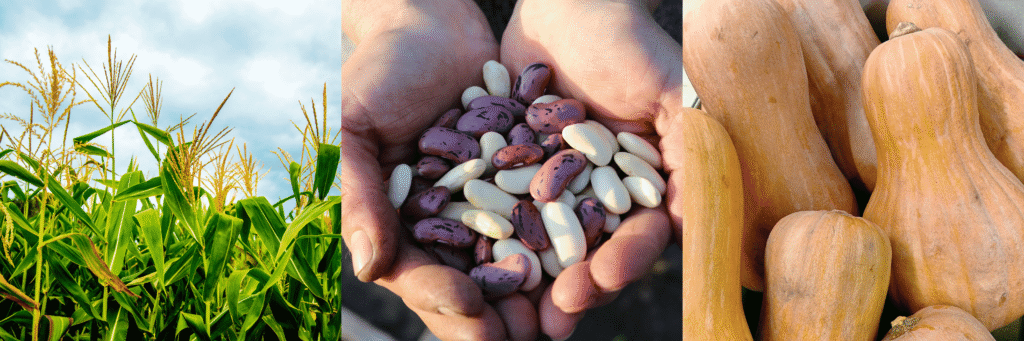
Agriculture eventually transformed these foodways. Corn, beans, and squash—often known as the “Three Sisters”—became essential crops. Grown together, they formed an ingenious agricultural system in which each plant helped the others thrive. For many of Maryland’s Indigenous people, these crops existed alongside enduring traditions of hunting, fishing, crabbing, fowling, and foraging.
The influence of these traditions did not disappear with colonization. European settlers adopted Indigenous ingredients and cooking practices, helping create the cuisine we now identify as distinctly Maryland. Corn dishes, oysters, crabs, fish, wild game, and local produce all remind us that Maryland’s culinary story has Indigenous roots.
Adapted by Joyce M. White from her book, Cooking Maryland’s Way: Voices of a Diverse Cuisine